
- …
- …
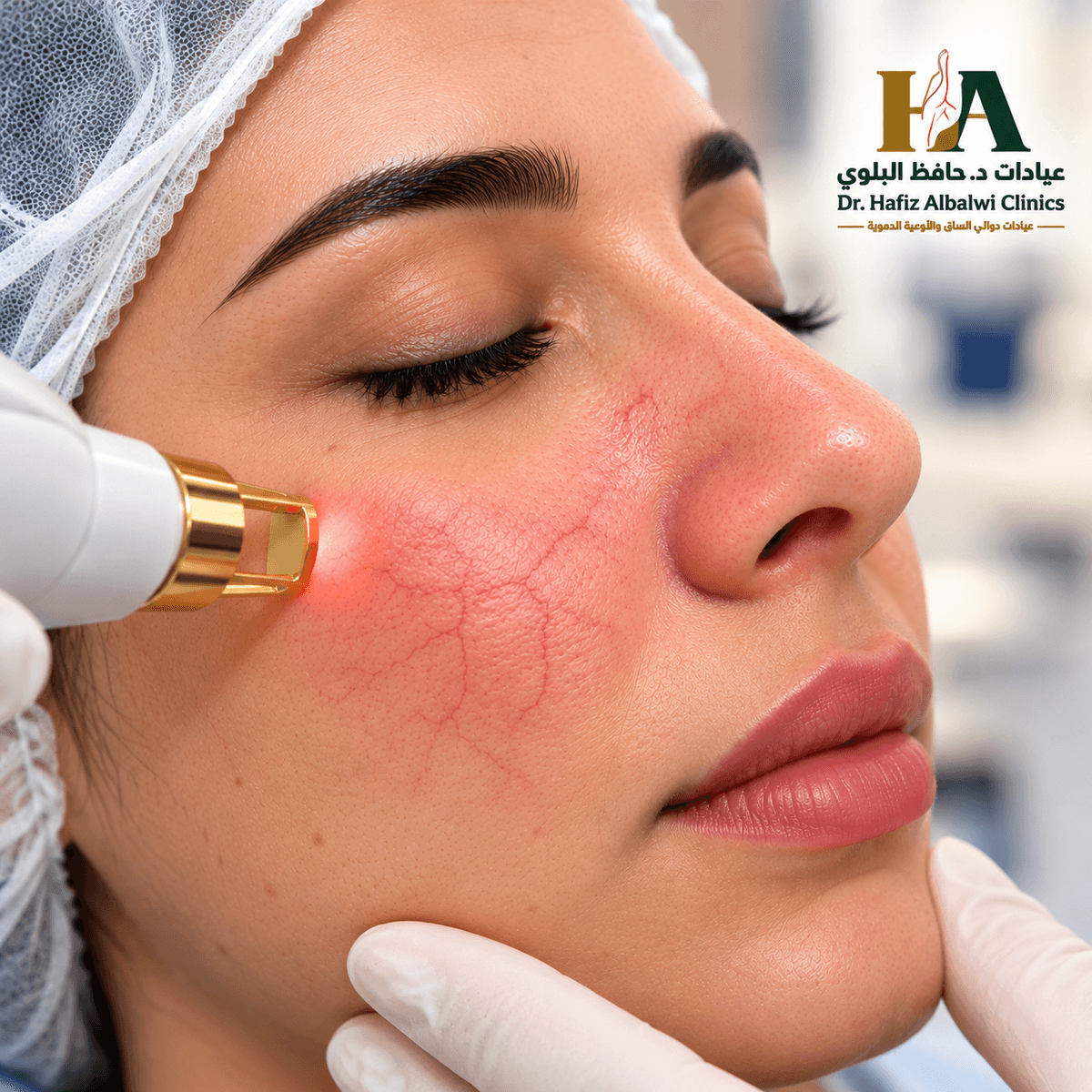
Facial, nose, Spider Vein Treatment in Jeddah
Reduce the appearance of visible red spider veins and fine blood vessels on your nose, cheeks, and face with vascular laser treatment or radiofrequency (RF) therapy. Sclerotherapy may also be considered for selected cases following a medical assessment.
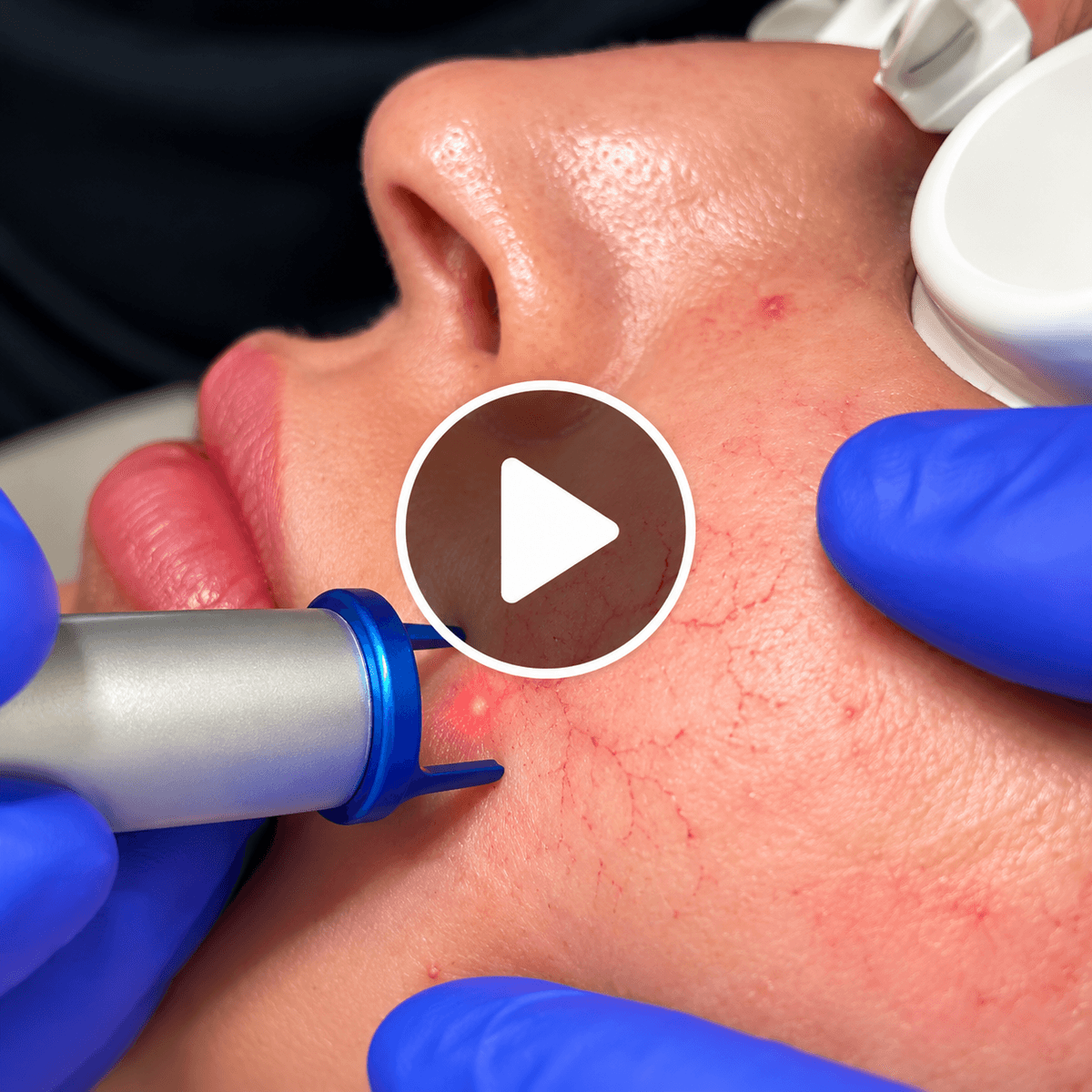
Watch Facial Spider Vein Treatment with Sclerotherapy
A clinical case demonstrating the treatment of facial spider veins on the face and cheek using sclerotherapy at Dr. Hafiz Albalwi Clinics in Jeddah.
My Experience with Facial Spider Veins
The treatment experience varies depending on the patient's condition and the technique used. Temporary redness or swelling may occur after the session, and results usually become visible gradually. Some patients may require additional sessions to achieve the desired improvement.
What Do Spider Veins on the Face Look Like?
Facial spider veins appear as fine red or purple lines that may form branching patterns resembling a spider web. They are commonly found around the nose and cheeks.
What Are Facial Spider Veins?
Facial spider veins, medically known as facial telangiectasias, are small, dilated superficial blood vessels that appear as fine red or purple lines on the skin, particularly around the nose, cheeks, and chin.
They are usually a cosmetic concern rather than a serious medical condition, but their visible appearance may be bothersome.
What Causes Spider Veins on the Face?
- Genetic factors and skin characteristics.
- Repeated sun exposure.
- Rosacea.
- Aging.
- Hormonal changes.
- Prolonged use of topical corticosteroids, particularly on the face.
Laser Treatment for Spider Veins on the Face and Nose
Vascular laser treatment is one of the main options for treating superficial spider veins on the face and nose.
The laser delivers targeted light energy that is absorbed by the affected blood vessels, helping them close and gradually become less visible while minimizing damage to surrounding tissues.
The physician selects the appropriate laser type and settings according to the color, size, depth, and location of the vessels, as well as the patient's skin type.
Can Red Veins Around the Nose Be Treated with Laser or Radiofrequency?
Yes. Many visible red blood vessels along the sides of the nose can be treated using vascular laser or radiofrequency techniques.
Some cases may require more than one session, particularly when the vessels are extensive or associated with rosacea.
When Is Sclerotherapy Used Instead of Laser or Radiofrequency?
In selected cases, sclerotherapy may be considered for larger or different types of superficial veins.
However, vascular laser is generally the preferred option for fine facial spider veins. Sclerotherapy is not suitable for all facial vessels because injections in this sensitive area carry specific risks.
How Many Sessions Are Needed to Treat Facial Spider Veins?
The number of treatment sessions depends on several factors:
- The size and depth of the vessels.
- The number and extent of visible spider veins.
- Their location on the nose or cheeks.
- Skin type and response to treatment.
- The presence of rosacea or other contributing conditions.
Some spider veins may improve after a single session, while others require additional treatments.
When Will Results Appear After Laser or Radiofrequency Treatment?
Improvement may become noticeable gradually over the following weeks.
Temporary redness or mild swelling may occur. Less commonly, bruising, blistering, or changes in skin pigmentation can develop, making careful selection of treatment settings important.
Is Vascular Laser Suitable for All Skin Types?
Laser device selection and treatment settings vary according to skin tone and vessel characteristics.
A medical assessment is recommended before treatment, particularly for patients with darker or tanned skin, to reduce the risk of pigmentation changes and other complications.
Why Choose Dr. Hafiz Albalwi Clinics for Facial Spider Vein Treatment?
Dr. Hafiz Albalwi, Consultant Vascular and Endovascular Surgeon with French board certification and a doctorate in vascular surgery, provides specialized assessments to determine suitable treatment options, including vascular laser and selected sclerotherapy procedures.
Treatment planning is based on the type and location of the vessels and the patient's individual condition.
Facial Spider Vein Treatment with Radiofrequency (RF Ablation)
Facial Spider Vein Treatment with Radiofrequency (RF Ablation)
Radiofrequency treatment is another option for selected fine superficial blood vessels on the face and nose.
A fine probe delivers controlled thermal energy to the targeted vessel, helping close it and reduce its visible appearance without traditional surgery.
At Dr. Hafiz Albalwi Clinics in Jeddah, the most appropriate technique is selected according to vessel size, location, skin characteristics, and clinical assessment.
Can Spider Veins Around the Nose Be Removed?
Yes. Many visible spider veins around the nose can be treated with vascular laser or radiofrequency after assessing their type and depth. Improvement may be noticeable after the first session.
Is Laser or Radiofrequency Treatment Painful?
Patients may experience mild stinging or a brief sensation of heat during treatment. The level of discomfort varies according to the device and the area being treated.
Can Spider Veins Return After Laser Treatment?
Successfully treated vessels may remain closed, but new spider veins can develop over time, particularly when contributing factors persist.
Does Laser Treatment Help Facial Redness Caused by Rosacea?
Vascular laser may help reduce visible blood vessels and some redness associated with rosacea. However, it does not treat every underlying cause of rosacea or prevent future flare-ups.
If you have visible red veins or spider veins around your nose or cheeks, book an appointment for an assessment and personalized treatment recommendations.
Learn More About Spider Vein Treatment on the Legs